Sunday, May 09, 2010

Narcolibros


Leonardo Padura, Pedro Cabiya, Mario Mendoza, Paco Ignacio Taibo II and Élmer Mendoza comment on the new boom in Latin American literature, where the heads of drug cartels replace the dictators.
Lo que para los autores del boom representaron el paraguayo José Gaspar Rodríguez de Francia, el dominicano Rafael Leónidas Trujillo, el guatemalteco Estrada Cabrera o el chileno Augusto Pinochet lo representan hoy para sus herederos los jefes de las bandas mafiosas de Medellín o Ciudad Juárez. Los capos del narcotráfico han sustituido a los dictadores en la literatura latinoamericana. Los jeeps militares han dado paso a una flota de aparatosos cuatro por cuatro con cristales ahumados y la violencia ha dejado de moverse en sentido vertical para colonizar horizontalmente la sociedad entera.
Click to read the full article

Thursday, May 06, 2010

Festival de la Palabra

The Festival de la Palabra started yesterday in Puerto Rico.


Gabriela Mistral. Niña errante

"Gabriela Mistral. Niña errante" is a new book that compiles the letters of Gabriela Mistral to her personal assistant Doris Dana.
The book has been  published in Spain by Lumen and brings a new light on the relationship between these two women.


"Yo sé bien que nadie, ninguna persona en este mundo, puede saber qué cosa es nuestra vida sino (excepto) nosotros mismos" . Así escribe la poeta chilena Gabriela Mistral en una de sus cartas a su asistente personal y compañera sentimental Doris Dana, reunidas ahora en "Gabriela Mistral. Niña errante".

Un libro que se publica en España de la mano de Lumen y que muestra la apasionante relación entre la premio Nobel de Literatura (1945) y Doris Dana, secretaria y compañera de sus últimos años de vida y albacea de sus bienes materiales e intelectuales.

Un epistolario que tiene su origen a finales de los años cuarenta, en el verano de 1948, cuando Gabriela Mistral vivía en Santa Bárbara (California) y Doris en Nueva York, y que comenzó después de que ambas hubieran mantenido un fugaz encuentro personal en el Bernard College de Nueva York, donde la poeta dio una charla sobre "la industria del odio" , con eco internacional.
Click to read the full article.

Wednesday, May 05, 2010

Portuguese Language

Last flower of Latium, wild, uncultured beaty,
You are at once both splendor and the grave:
You're gold which, in the gang's impurity,
Doth veil a giant mine in graveled lave.

I love you thus, unknown, obscure and hidden,
A blaring trumpet, lyre of singleness,
Tour fury's like the sea that's tempest ridden,
Your lullaby's of love and tenderness!

I love your lush green woods and perfumes, wrung
From virgin jungles and expansive sea!
I love you, rude and sorrowful native tongue,

In which my mother called: "Dear son of mine!"
In which Camões bemoaned, grieved exile he,
His luckless genius and love's tarnished shine!

Olavo Bilac (1865-1918)

100 Portuguese Books of the 20th Century


A selection of 20th Century Portuguese literary works by Fernando Pinto do Amaral.

Very few of the books in this list are available in English, even those of more known authors, Portuguese literature is still largelly unknown in the English speaking world.

A Cidade e As Serras, Eça de Queirós (1845-1900) (The City and the Mountains)
Gente Singular, Manuel Teixeira Gomes (1860-1941)
Marânus, Teixeira de Pascoaes (1877-1952)
Húmus, Raul Brandão (1867-1930)
Pedro o Cru, António Patrício (1878-1930)
Terras do Demo, Aquilino Ribeiro (1885-1963)
Clepsidra, Camilo Pessanha (1867-1926)
Ensaios, António Sérgio (1883-1968)
Canções, António Botto (1897-1959)
Poemas de Deus e do Diabo, José Régio (1901-1969)
A Selva, Ferreira de Castro (1898-1974) (Jungle. A Tale of the Amazon Rubber-Tapping)
Charneca em Flor, Florbela Espanca (1894-1930)
Gladiadores, Alfredo Cortês (1880-1946)
Mensagem, Fernando Pessoa (1888-1935) (Message)
A Criação do Mundo, Miguel Torga (1907-1995) (The Creation of the World)
Sedução, José Marmelo e Silva (1913-1991)
Nome de Guerra, Almada-Negreiros (1893-1970)
Contos Bárbaros, João de Araújo Correia (1899-1985)
Gaibéus, Alves Redol (1911-1969)
Solidão/Notas do Punho de Uma Mulher, Irene Lisboa (1892-1958)
Apenas Uma Narrativa, António Pedro (1909-1967)
O Barão, Branquinho da Fonseca (1905-1974) (The Baron)
Historiazinha de Portugal, Adolfo Simões Müller (1909-1989)
Noite Aberta Aos Quatro Ventos, Adolfo Casais Monteiro (1908-1972)
Mau Tempo No Canal, Vitorino Nemésio (1901-1978) (Stormy isles: An Azorean tale)
O Caminho da Culpa, Joaquim Paço D'Arcos (1908-1979)
O Dia Cinzento, Mário Dionísio (1916-1993)
Poesia, Sophia de Mello Breyner Andresen (n.1919)
Poesias, Álvaro de Campos (The Collected Poems of Alvaro de Campos)
Odes, Ricardo Reis
Poemas, Alberto Caeiro (The Collected Poems of Alberto Caeiro)
Poesias, Mário de Sá-Carneiro (1890-1916)
A Toca do Lobo, Tomás de Figueiredo (1902-1970)
Ossadas, Afonso Duarte (1884-1958)
As Mãos e os Frutos, Eugénio de Andrade (n.1923)
Poesia I, José Gomes Ferreira (1900-1985)
Retalhos da Vida de Um Médico, Fernando Namora (1919-1989)
A Secreta Viagem, David Mourão-Ferreira (1927-1996)
O Fogo e As Cinzas, Manuel da Fonseca (1911-1993)
Pelo Sonho É Que Vamos, Sebastião da Gama (1924-1952)
A Sibila, Agustina Bessa-Luís (n. 1922)
História da Literatura Portuguesa, António José Saraiva (1917-1993) e Óscar Lopes (n. 1917)
Movimento Perpétuo, António Gedeão (1906-1997)
Dimensão Encontrada, Natália Correia (1923-1993)
Pena Capital, Mário Cesariny (n. 1923)
Teatro, Bernardo Santareno (1924-1980)
A Origem, Graça Pina de Morais (1929-1992)
Léah, José Rodrigues Miguéis (1901-1980)
No Reino da Dinamarca, Alexandre O'Neill (1924-1986)
A Cidade das Flores, Augusto Abelaira (n. 1926)
Bastardos do Sol, Urbano Tavares Rodrigues (n. 1923)
Tanta Gente, Mariana..., Maria Judite de Carvalho (1921-1998)
A Colher na Boca, Herberto Helder (n. 1933)
Felizmente Há Luar!, Luís de Sttau Monteiro (1926-1993)
O Palhaço Verde, Matilde Rosa Araújo (n. 1921)
Rumor Branco, Almeida Faria (n. 1943)
Xerazade e os Outros, Fernanda Botelho (n. 1926)
A Torre da Barbela, Ruben A. (1920-1975)
Praça da Canção, Manuel Alegre (n. 1936)
Estou Vivo e Escrevo Sol, António Ramos Rosa (n. 1924)
Teoria da Literatura, Vítor Manuel de Aguiar e Silva (n. 1939)
O Delfim, José Cardoso Pires (1925-1998)
A Noite e o Riso, Nuno Bragança (1929-1985)
As Aves, Gastão Cruz (n.1941)
Maina Mendes, Maria Velho da Costa (n. 1938)
Peregrinação Interior, António Alçada Baptista (n. 1927)
A Raiz Afectuosa, António Osório (n. 1933)
Novas Cartas Portuguesas, Maria I. Barreno (n.1938), Maria T. Horta (n. 1937) e Maria V. da Costa (The Three Marias - New Portuguese Letters)
Os Sítios Sitiados, Luiza Neto Jorge (1939-1989)
Paisagens Timorenses com Vultos, Ruy Cinatti (1915-1986)
Toda a Terra, Ruy Belo (1933-1978)
O Que Diz Molero, Dinis Machado (n. 1930)
Finisterra, Carlos de Oliveira (1921-1981)
O Labirinto da Saudade, Eduardo Lourenço (n.1923)
Rosa, Minha Irmã Rosa, Alice Vieira (n.1943)
Sinais de Fogo, Jorge de Sena (1919-1978)
Instrumentos Para a Melancolia, Vasco Graça Moura (n. 1942)
Uma Exposição, João M. F. Jorge (n. 1943), Joaquim M. Magalhães (n. 1945), Jorge Molder (n. 1947)
O Silêncio, Teolinda Gersão (n. 1940)
Livro do Desassossego, Fernando Pessoa-Bernardo Soares (The Book of Disquiet)
Memorial do Convento, José Saramago (n.1922) (Baltasar and Blimunda)
Os Universos da Crítica, Eduardo Prado Coelho (n.1944)
Para Sempre, Vergílio Ferreira (1916-1996)
Amadeo, Mário Cláudio (n. 1941)
Um Falcão no Punho - Diário I, Maria Gabriela Llansol (n. 1931)
Adeus, Princesa, Clara Pinto Correia (n.1960)
As Moradas 1 & 2, António Franco Alexandre (n. 1944)
O Medo, Al Berto (1948-1997)
Gente Feliz com Lágrimas, João de Melo (n. 1949)
O Pequeno Mundo, Luísa Costa Gomes (n. 1954)
A Ilha dos Mortos, Luís Filipe Castro Mendes (n. 1950)
A Musa Irregular, Fernando Assis Pacheco (1937-1995)
Um Canto na Espessura do Tempo, Nuno Júdice (n. 1949)
Um Deus Passeando pela Brisa da Tarde, Mário de Carvalho (n. 1944) (A God Strolling in the Cool of the Evening)
Vulcão, Luís Miguel Nava (1957-1995)
Guião de Caronte, Pedro Tamen (n. 1934)
Geórgicas, Fernando Echevarría (n. 1929)
O Vale da Paixão, Lídia Jorge (n. 1946)
Cenas Vivas, Fiama Hasse Pais Brandão (n. 1938)
Não Entres Tão Depressa Nessa Noite Escura, António Lobo Antunes (n. 1942)

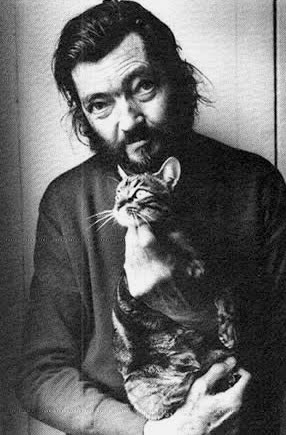
Júlio Cortázar

Monday, May 03, 2010

Norberto Fuentes: The Autobiography of Fidel Castro

The Autobiography of Fidel Castro
Terry Eagleton reviews Norberto Fuentes' The Autobiography of Fidel Castro.
Revolutions, as Marx recognised, are inherently theatrical events, both more and less real than everyday life. The Cuban revolution, Castro comments here, was "a miracle of the imagination". In all such mighty upheavals, fact and fiction become hard to tell apart, just as they are in this book. It is part of Fuentes's achievement to make us more conscious of these ironies. Yet there is something disturbing as well as revealing about this blow-by-blow life history. Why invest so much energy in a portrait of your persecutor? How can this avoid paying him homage in the very act of cutting him down to size?

There is something curiously obsessive about Fuentes's fascination with Fidel. Stealing someone else's selfhood is a wickedly effective way of getting even with them; yet wanting to become someone else suggests admiration as much as antagonism. For all his imaginative ventriloquism, it is hard to feel that Fuentes is aware of these ambiguities, let alone that he has resolved them.
Click to read the full article

Alberto Manguel: A Reader on Reading

A Reader on Reading
Ian Sansom reviews Alberto Manguel's A Reader on Reading.
It is very rare indeed for someone to have devoted their lifetime to making these complex and delightful reconstructions, to sharing and reporting on their experiences as a reader; much rarer, say, than the many who devote themselves simply to criticism, to judgment or to commentary. It's so rare, in fact, that it's difficult to know what to call it. Manguel might best be described not so much as a critic but rather as a devotee of reading; one thinks of Susan Sontag, or of Clive James – observers, admirers, enthusiasts. This enthusiasm leads to what one might perhaps describe as a sentimental strain in Manguel's writing, though it might also accurately be described as morality, the imaginative extension of oneself and one's sympathies to others. In his revealing essay on erotic literature, "The Gates of Paradise", he argues that in "reading or making love, we should be able to lose ourselves in the other, into whom – to borrow Saint John's image – we are transformed: reader into writer into reader, lover into lover into lover.
Click to read the full article

Isabel Allende: Island Beneath the Sea

Island Beneath the Sea: A Novel
Gaiutra Bahadur reviews Isabel Allende's Island Beneath the Sea.
In literature as in art, the genre has been dominated by men. So critics devised the label “magical feminism” just for Isabel Allende’s multigenerational family chronicles featuring strong-willed women, usually entangled in steamy love affairs against a backdrop of war and political upheaval. These elements are all present in her latest novel, “Island Beneath the Sea,” which is set partly in late-18th-century Haiti. The protagonist, a mulatto slave named Zarité, is maid to a sugar planter’s wife who gradually goes mad. (The Caribbean seems to have had a reliably deranging effect on women in fiction, from “Jane Eyre” onward.) Even before her mistress’s death, Zarité becomes the concubine of her master, Valmorain, submitting to that role across decades and borders, even when he flees to New Orleans after the 1791 slave revolt.

The resulting canvas contains no less than the revolutionary history of the world’s first black republic as Allende portrays the island’s various factions: republicans versus monarchists, blacks versus mulattoes, abolitionists versus planters, slaves versus masters. She revels in period detail: ostrich-feathered hats, high-waisted gowns, meals featuring suckling pigs with cherries. Her cast is equally vibrant: a quadroon courtesan and the French officer who marries her; Valmorain’s second wife, a controlling Louisiana Creole; Zarité’s rebel lover, who joins Toussaint L’Ouverture in the hills. But for all its entertaining sweep, the story lacks complex characterization and originality. And its style is traditional. Where, you wonder, are the headless men — or, in ­Allende’s case, headless women? Where is the magical realism?
Click to read the full article
An excerpt of the book is available at harpercollins.com

Quim Monzó: Gasoline

Gasoline
Maria Campillo reviews Quim Monzó's Gasoline.
Benzina is the second novel and the fifth book by Quim Monzó, a writer who enjoys the unconditional admiration of many readers, thanks above all to the last two collections of short stories, Uf, va dir ell and Olivetti, Moulinex, Chaffoteaux et Maury (1978, 1980).

In the context of the Benzina, I would like to touch on two questions that seem important: the generic and what we might call the thematic. With regard to the first, it is worth noting that Monzó has come back to the novel marked, to some extent, by the experience of writing short stories during the last few years, and perhaps for this reason the book suffers from a kind of spinning-out of what we thought of (at one time) as the basic idea or single idea in the structuring of a short story. This technique (first adopted in Self-service and developed and rounded out in the last two collections) served to construct the narrative around a situation or gag 'initial, final or concentrically cumulative' that the author now resolves in the sum of situations less easily engaged than inside the structure 'concentrated and almost always rounded' of his short stories. We shall not take him to task for that, especially when we bear in mind that attempting this in a novel, from a far more mature literary position than he occupied when he wrote L'udol del griso al caire de les clavegueres, can only be to his advantage in terms of his acquisition of new forms and his manipulation of language, something I have always regarded as a particularly attractive feature of this writer.
Click to read the rest of the article

Javier Marías: Bad Nature, or With Elvis in Mexico

Eli S. Evans reviews  Javier Marías' Bad Nature, or With Elvis in Mexico.

At first glance, Javier Marías’ short novella (or long short story) Bad Nature, or With Elvis in Mexico—originally published serially in 1996 in Spain’s El País newspaper—appears little more than a put on, a dashed-off throwback by a Marías who had already reached literary maturity, if not yet the all but uncontested international reverence he enjoys today, to the pastiche of his early, adolescent novels: the absurdist tale of one Ruibérriz de Torres who, from an indeterminately contemporary present, recalls the trip he took to Mexico at the age of twenty-two (just past adolescence himself) to work as Spanish language consultant to Elvis Presley during shooting for the film Fun in Acapulco.

But what seems a mere literary inside joke initially, and perhaps even to the author himself—in the epigraph, Marías dedicates the short novella, or long short story, to “someone who’s laughing in my ear”—reveals itself, upon closer examination, to be a good deal more. Clocking in at fifty-seven rather diminutive pages in its recently released English translation, an elegant gold and white paperback the size of a folded napkin and nearly as slender, Bad Nature performs a virtually Borgesian distillation of, if not the entire literary universe—as is the case in some of the best of Borges’ stories—then at the very least the entirety of Marías’ personal literary universe: the “Yoknapatawpha of the mind,” as Wyatt Mason described it in 2005, that the Spanish novelist has been mapping, in a single voice, over years and across novels.
Click to read the rest of the article

Miguel A. Bretos: Matanzas: The Cuba Nobody Knows

Matanzas: The Cuba Nobody Knows
Fabiola Santiago reviews Miguel A. Bretos' Matanzas: The Cuba Nobody Knows.
Long before I read his book, Bretos shared with me some of these stories because I also was born in Matanzas. Among so many who prefer to claim a stake in Havana, we proud matanceros in exile sometimes feel subversive, and whenever Bretos and I ran into each other at a cultural event, we shared a sense of complicity.

Bretos, who suffers from Parkinson's (with typical humor he calls it ``Dr. Parkinson's damned disease''), warns that his historical account is not complete. The history of post-Revolution Matanzas, he says, also merits research and analyses. With this book, Bretos has not only conferred on his beloved Matanzas its rightful place in history but he has provided students and fans of Cuban history with a significant launching point into the future.
Click to read the rest of the article